
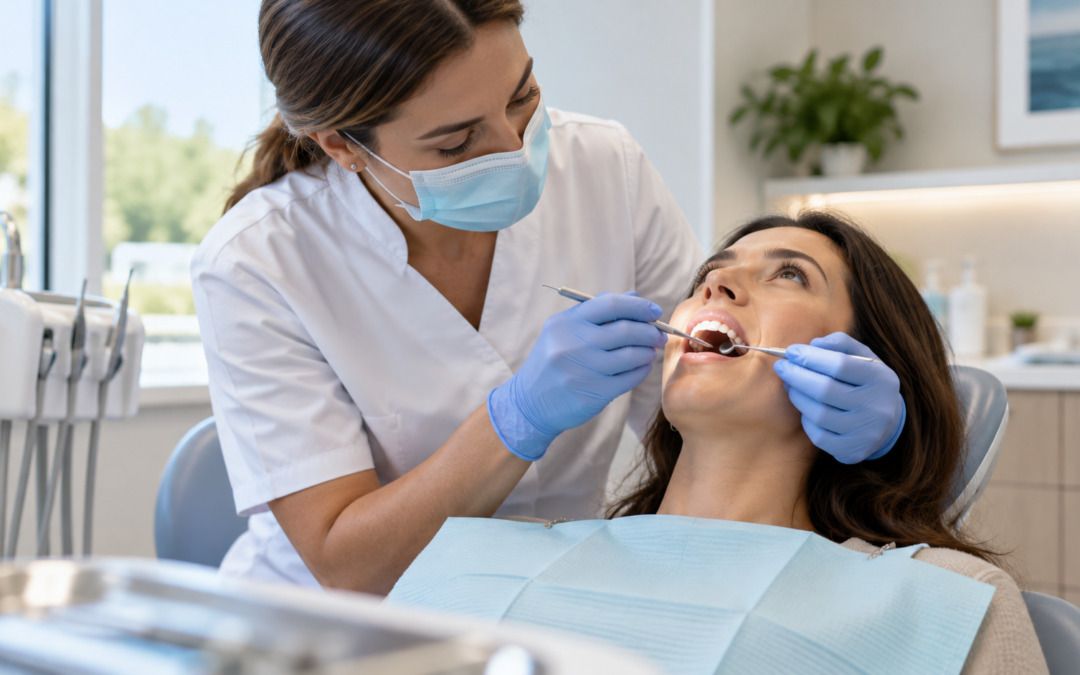
Getting a root canal is one of the most anxiety-inducing phrases in dentistry, but for most patients the recovery is far more manageable than they expect. The procedure itself is designed to relieve pain, not cause it, and with the right aftercare the healing process is straightforward for the majority of people.
This guide covers everything you need to know about root canal recovery: how long it takes, what pain is normal, what to eat, when to go back to work, and the warning signs that mean you should call your dentist.
How Long Does Root Canal Recovery Take?
Most patients feel back to normal within a few days. The numbness from anesthesia typically wears off within a few hours after the procedure, and some soreness or tenderness may follow for the first few days before gradually improving.
Even after the tooth feels comfortable again, the tissues surrounding the root can continue healing. Your dentist may monitor the tooth at future follow-up visits to make sure it is healing as expected.
A few factors affect how quickly you recover:
- Which tooth was treated. Molars often have more roots and canals than front teeth, which can make the procedure more involved.
- How much infection or inflammation was present before treatment. A tooth that was already causing significant pain may take a few extra days to settle.
- Whether a permanent restoration is still needed. Until the tooth is fully restored, it may be more vulnerable to fracture, so avoid chewing hard foods on it.
Root Canal Recovery Timeline: What to Expect
Knowing what is typical at each stage can make the root canal recovery process a little easier.
First 24 hours
Your mouth may remain numb for a few hours after the procedure because of the local anesthetic. Avoid chewing until the numbness has worn off so you do not accidentally bite your cheek, tongue, or lip.
As the anesthesia wears off, the treated tooth may feel tender or slightly different from your other teeth. Mild soreness around the tooth or jaw can also occur.
Days 2-3
Some tenderness when biting or chewing can continue during the first few days. This is especially common if there was significant inflammation or infection before your root canal.
For most patients, discomfort should gradually become less noticeable during this period.
Days 4-7
By this point, many patients have little or no discomfort and are back to their regular routine.
Continue to be careful when chewing on the treated tooth, particularly if you still have a temporary filling or are waiting for a permanent restoration.
After the first week
Your tooth should generally feel much more comfortable. However, completing any recommended follow-up treatment is still an important part of recovery.
If your dentist recommends a permanent filling or crown, do not delay the appointment simply because the tooth feels better.
Is Pain Normal During Root Canal Recovery?
Some soreness after a root canal is normal. The tissues surrounding the tooth may still be irritated from the infection and from the dental procedure itself, so you may notice tenderness when biting or touching the area.
For most people, this discomfort improves over the first few days.
Your dentist may recommend an over-the-counter pain reliever or provide specific instructions based on your medical history and treatment. Always follow the directions given by your dentist rather than taking medication differently on your own.
What is more important is how the pain changes. Mild discomfort that steadily improves is different from severe pain that continues, returns, or becomes worse.
If you develop significant pain or pressure that does not improve after several days, contact your dentist for an evaluation.
Can You Go Back to Work After a Root Canal?
In many cases, yes. Most patients do not need significant root canal recovery time off work and can return to work, school, or other normal activities the same day.
You may prefer to take the rest of the day off if your mouth is still numb, you feel sore, or your appointment was particularly long.
If you had the procedure with local anesthesia only, you can drive yourself home. If sedation was used, you will need someone to drive you and should avoid driving for the rest of the day.
Follow the specific instructions provided by your dental team.
Can You Exercise After a Root Canal?
Many patients can return to their usual activities fairly quickly after a routine root canal. However, you may want to avoid strenuous exercise immediately after treatment, particularly if the tooth is sore or you simply do not feel completely comfortable yet.
Listen to your body and follow your dentist’s instructions. If your treatment was more complex or you received sedation, your dentist may recommend waiting longer before returning to strenuous physical activity.
What to Eat After a Root Canal
You can eat once the numbness has fully worn off, which is usually two to four hours after the procedure. Eating before the numbness fades risks biting your cheek or tongue without realizing it.
For the first few days, stick to soft foods that require minimal chewing and avoid putting pressure on the treated tooth. Good options include:
- Yogurt, smoothies, and soft fruits
- Mashed potatoes, scrambled eggs, and soups
- Pasta, rice, and soft cooked vegetables
- Oatmeal, applesauce, pudding, and cottage cheese
Foods to avoid after a root canal:
- Hard, crunchy, or chewy foods that put pressure on the tooth
- Extremely hot foods and drinks while the area is still sensitive
- Sticky foods like caramel or chewing gum that could dislodge a temporary filling
- Alcohol if it conflicts with medication you have been prescribed or your dentist has advised you to avoid it
What to eat before getting your crown: If there is a gap between your root canal and your crown appointment, continue avoiding hard and sticky foods on that side. The tooth is more fragile without its permanent restoration in place.
Root Canal Aftercare Tips
Good root canal aftercare helps protect the treated tooth while the surrounding area heals and while you wait for any necessary permanent restoration.
A few simple root canal recovery tips include:
- Follow all aftercare instructions provided by your dentist.
- Wait until the numbness is gone before eating.
- Brush and floss normally, but be gentle around the treated area if it feels sore.
- Avoid chewing very hard or sticky foods on the treated tooth until your dentist says it is safe.
- Take any recommended or prescribed medication exactly as directed.
- Keep your follow-up appointments.
- Complete your permanent restoration if your dentist recommends one.
- Avoid smoking for at least 72 hours after the procedure. Smoking slows healing, reduces blood flow to the tissues, and increases the risk of infection.
If you have questions about recovery or need root canal treatment in Woodbridge, VA, our dental team can evaluate the tooth and explain what to expect before and after treatment.
Do You Need a Crown After a Root Canal?
Finishing the root canal itself may not be the final step in restoring your tooth.
Depending on which tooth was treated and how much healthy tooth structure remains, your dentist may recommend a permanent filling or a dental crown.
A crown covers the visible portion of the tooth and can help protect a tooth that has been weakened by decay, previous restorations, or the loss of tooth structure. Crowns and permanent fillings are both part of restorative dentistry in Woodbridge, VA, which focuses on repairing treated or damaged teeth so they stay strong for the long term.
Your dentist will evaluate the treated tooth and determine which type of restoration is appropriate. If a crown is recommended, completing it promptly is important even if the tooth already feels comfortable. In rare cases where a tooth cannot be preserved and extraction becomes necessary, a dental implant is often the next step. If that applies to your situation, our guide to the types of dental implants covers every option available.
When Should You Call Your Dentist During Root Canal Recovery?
Some tenderness during the first few days is expected, but symptoms that are severe or getting worse should be evaluated.
Contact your dentist if you experience:
- Severe pain or pressure that lasts more than a few days
- Pain that becomes worse instead of improving
- Visible swelling inside or outside your mouth
- The return of symptoms you had before treatment
- A temporary filling or crown that comes out
- A bite that feels noticeably uneven
- Any other symptoms that concern you
If you develop an urgent problem outside of routine follow-up care, our emergency dental care in Woodbridge, VA is available to evaluate dental problems that should not be ignored.
Root Canal Recovery: The Bottom Line
Root canal recovery is manageable for most patients. Expect some soreness during the first few days, choose softer foods if the tooth feels tender, and take any recommended medication as directed. Most people are able to return to their normal routine relatively quickly.
The most important things to remember are to watch for warning signs, protect the treated tooth until it is permanently restored, and contact your dentist if anything feels unusual.
If you have questions about your recovery or want to schedule a follow-up, the team at Woodbridge Comfort Dental Care is here to help. Call us at (703) 580-8181 or book an appointment online.
Frequently Asked Questions
How long is root canal recovery?
Most patients are able to return to their normal activities quickly, while mild tenderness around the treated tooth may continue for a few days. Your recovery time may vary depending on the condition of the tooth and the treatment you need afterward.
How long does pain last after a root canal?
Mild tenderness or sensitivity can last for a few days and should gradually improve. If pain is severe, continues without improvement, or becomes worse, contact your dentist.
Can I go to work after a root canal?
Many patients can return to work or school the same day after a routine root canal. If you received sedation or do not feel comfortable returning immediately, follow your dentist’s instructions and allow yourself additional recovery time.
Can I exercise after a root canal?
Light daily activity is generally manageable for many patients after treatment. You may want to avoid strenuous exercise immediately afterward if you have soreness or if your dentist has given you different instructions.
What should I avoid after a root canal?
Avoid eating while your mouth is still numb and avoid biting down on hard or sticky foods with the treated tooth until it has been permanently restored or your dentist tells you it is safe.
How do I know if my root canal is healing properly?
Some temporary tenderness can be normal, but symptoms should generally improve over time. Increasing pain, significant swelling, the return of previous symptoms, or a temporary restoration coming loose are reasons to contact your dentist.